

Copper Versus PEX Repiping: Which Is Better?

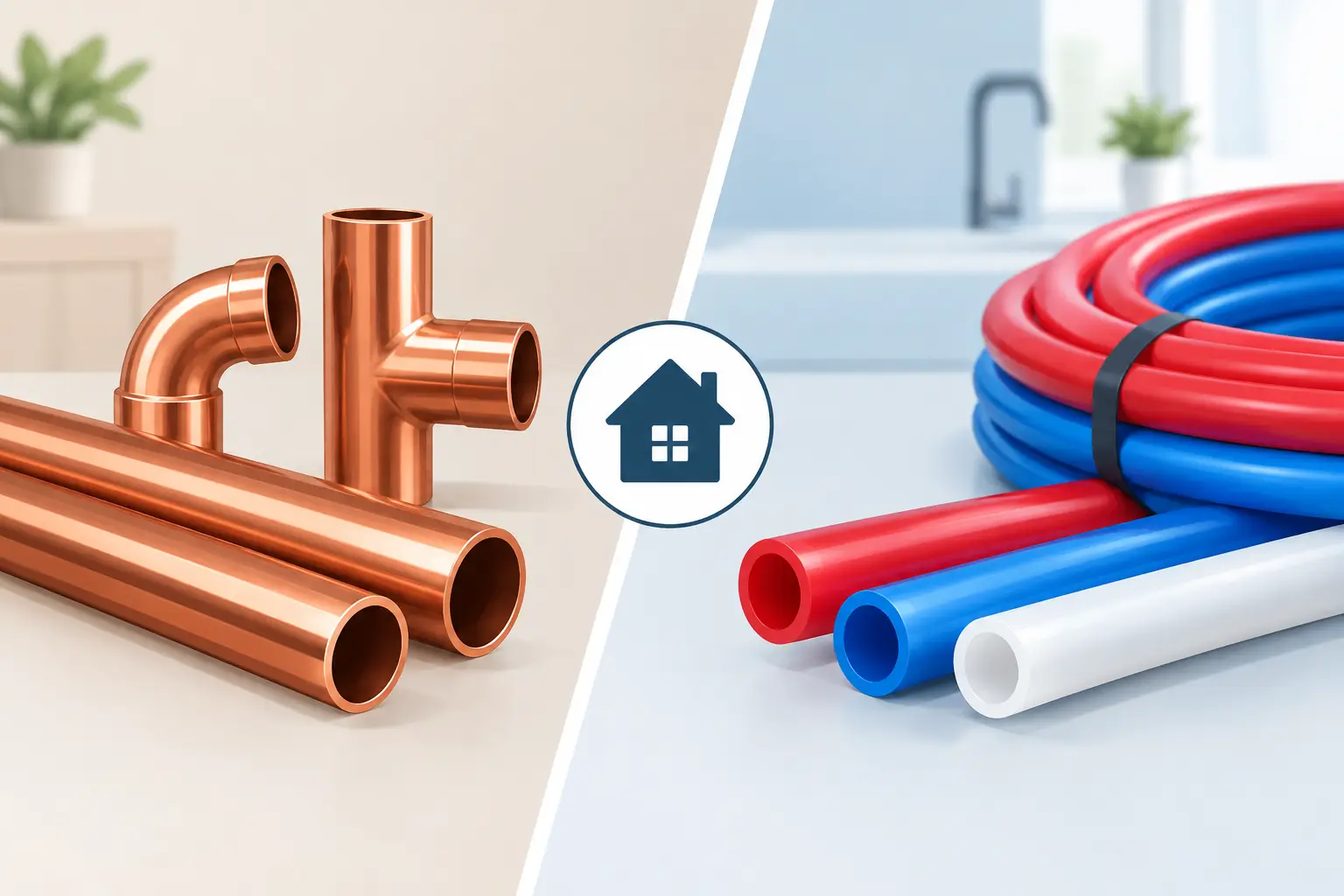
A repipe is not a cosmetic upgrade. It is the work behind the walls that restores dependable water flow, helps prevent damaging leaks, and gives you confidence when you turn on a faucet or leave town for the weekend. For Seattle homeowners weighing copper versus pex repiping, the better choice depends on the home, the existing plumbing, the budget, and the long-term priorities for the property.
Both materials can provide reliable water service when they are installed correctly. The key is not choosing a material based on a single claim about price or lifespan. A thorough inspection should look at the condition of your current pipes, access behind walls and ceilings, water pressure, visible corrosion, and the scope of any planned remodeling.
Why Seattle Homes Often Need Repiping
Many older Seattle-area homes still have galvanized steel, aging copper, or previous repairs made over decades. Galvanized pipes can corrode internally and gradually restrict water flow. Older copper can develop pinhole leaks, particularly where water chemistry, pipe age, pressure, or installation conditions have taken a toll.
The warning signs are often practical: recurring leaks, rusty or discolored water, reduced water pressure, noisy pipes, moisture stains, or repair calls that keep returning to a different section of the system. A single small leak does not always mean the entire home needs repiping. But when failures become frequent, spot repairs can turn into an expensive cycle with no lasting solution.
Repiping also makes sense during a major kitchen, bathroom, or whole-home renovation. When walls are already open, homeowners have a better opportunity to replace outdated lines and plan the plumbing for new fixtures.
Copper Versus PEX Repiping: The Main Differences
Copper and PEX are both widely used for residential water supply lines. They perform differently, however, and those differences affect installation, cost, maintenance, and how the system fits your home.
Copper: Proven, Rigid, and Long-Lasting
Copper has been a trusted plumbing material for generations. It is a metal pipe that resists UV exposure, holds its shape, and is familiar to homeowners, inspectors, and buyers. Properly installed copper can last for many years.
For exposed piping in a utility room, garage, or mechanical area, copper can be a strong choice because it is rigid and visually recognizable. It also does not allow oxygen through the pipe wall, which can matter in certain specialized mechanical systems.
The trade-off is installation complexity. Copper requires precise measuring, cutting, fitting, and soldering or press connections. It is less flexible than PEX, so routing it around framing, joists, and existing utilities may require more fittings and more wall access. Copper material and labor costs are generally higher as well.
Copper can also be affected by water conditions. Highly acidic water, excessive water velocity, poor grounding practices, or certain installation issues may contribute to corrosion and pinhole leaks over time. This does not mean copper is a poor material. It means the existing home conditions should be evaluated before assuming it is automatically the longest-lasting option.
PEX: Flexible, Efficient, and Well-Suited to Repipes
PEX is a flexible plastic tubing used for hot and cold water supply lines. Its flexibility is one reason it has become a common choice for residential repiping. A trained installer can often route long runs through framing with fewer fittings and less disruption to finished walls and ceilings.
That can reduce labor time and make PEX especially practical in occupied homes where preserving drywall, flooring, and cabinetry matters. PEX also expands slightly, which gives it better resistance to damage from occasional freezing than rigid pipe. It is not freeze-proof, and unheated crawl spaces or exterior walls still need proper protection, but it has more give than copper.
PEX is typically less expensive than copper for a full repipe, though the final price depends on access, fixture count, home size, permit requirements, drywall repair, and the type of manifold or connection system used. It is available in different grades, and the installation method matters. Quality tubing, compatible fittings, proper support, and clean workmanship are more important than choosing the lowest-priced approach.
PEX should not be installed where it will receive direct sunlight for extended periods. It also needs to be protected from physical damage and kept away from sources of excessive heat. These are manageable considerations when the work is planned correctly.
Cost Is More Than the Price of Pipe
Homeowners often begin by asking whether copper or PEX costs less. PEX usually has the lower upfront cost, largely because the material is less expensive and installation can be faster. But a useful estimate should go beyond a per-foot comparison.
The real cost of a repipe includes access points, pipe routing, fixture connections, permits, testing, patching, and the condition of the existing home. A house with a crawl space and accessible basement may be far easier to repipe than one with finished ceilings, tile walls, and limited access. If drywall or cabinetry needs repair after the plumbing work, that should be clearly discussed before the project begins.
Copper may be worthwhile when a homeowner specifically prefers it, when exposed piping is part of the plan, or when the property has conditions that favor a rigid metal system. PEX may deliver better value when minimizing disruption and controlling project cost are top priorities. The best decision comes from comparing complete project scopes, not just material prices.
Performance, Water Quality, and Daily Use
Both copper and properly certified PEX are used for potable water systems. Neither material should be selected based on broad claims that it will make water universally safer or taste better. Water quality depends on your local supply, the plumbing system, fixtures, filters, and the condition of the entire distribution system.
PEX may reduce the sound of water movement because the tubing is less rigid than copper. It can also support efficient home-run layouts, where individual fixture lines run from a central manifold. That design may make future shutoffs easier and can reduce the number of hidden connections in some areas.
Copper has a long track record and is highly resistant to physical punctures under normal conditions. Yet copper lines can be noisy if they are not properly secured, and they may transmit heat more readily. Hot-water lines may need insulation regardless of material, especially where runs pass through unconditioned areas.
Installation Quality Matters More Than the Material Debate
A poorly installed copper system can leak. A poorly installed PEX system can leak. The material alone does not guarantee a dependable result.
For any repipe, the contractor should identify the pipe routes, explain where access is needed, use appropriate shutoff valves, support lines correctly, protect pipes where they pass through framing, pressure-test the system, and confirm that each fixture operates properly. In a Seattle-area home, proper attention to crawl spaces, exterior walls, insulation, and moisture-prone areas is especially valuable.
Ask how the team will protect floors and furnishings, how long water service may be interrupted, whether permits are required, and who handles wall or ceiling repairs if access openings are necessary. Clear answers are a sign of a contractor who respects both your home and your time.
When Copper May Be the Better Fit
Copper can be a sensible choice when you want a traditional metal piping system, expect portions of the plumbing to remain exposed, or are completing a high-end renovation where material preference is part of the project. It may also fit homeowners who value its long-established reputation and are comfortable with the added upfront investment.
That said, copper should be installed with a clear understanding of the home’s water conditions and existing electrical grounding. A contractor should never treat a prior copper failure as a reason to simply install more copper without diagnosing why the original pipe failed.
When PEX May Be the Better Fit
PEX is often the practical choice for whole-home repiping, especially when access is limited and homeowners want to reduce wall and ceiling disruption. Its flexibility, efficiency, and generally lower installed cost make it well suited to many Seattle homes.
It can be particularly useful in complicated floor plans, additions, remodeled homes, and properties where pipes must move through tight framing cavities. The result can be a clean, dependable system without unnecessary demolition.
Start With a Clear Inspection and Estimate
The right repipe plan begins with diagnosing the existing system rather than pushing one material for every home. A qualified contractor should explain what is failing, whether targeted repairs remain reasonable, and what a full repipe would involve from start to finish.
Sky Lux provides practical plumbing assessments, clear communication, and workmanship focused on durable results. Whether copper or PEX is the better fit for your property, the goal is the same: a well-installed water system that lets you stop worrying about the next leak and get back to enjoying your home.