

Sprinkler Repair That Protects Your Seattle Yard

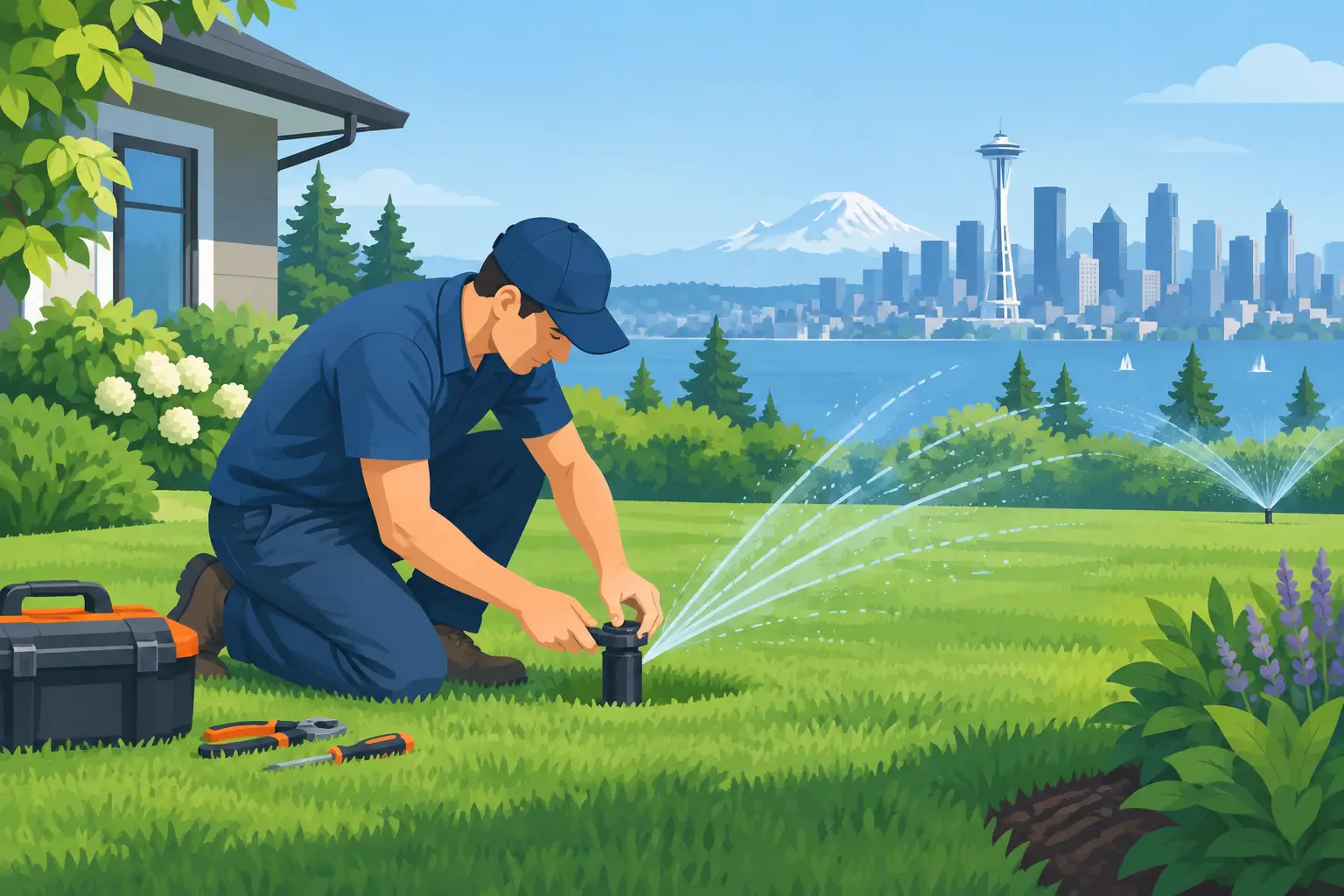
A sprinkler head that sputters beside the driveway can look like a small problem. But a failed zone, muddy patch, or timer that runs at the wrong hour can quickly waste water, damage landscaping, and leave part of your yard stressed. Professional sprinkler repair finds the source of the problem, not just the visible symptom, so your system can water efficiently again.
For Seattle-area homeowners, irrigation problems often show up after a long winter, a landscaping project, or the first warm stretch of the season. Soil settles, roots grow around lines, mower blades damage sprinkler heads, and a system that sat unused for months may reveal a weak valve or cracked fitting. A prompt repair protects your yard and helps prevent a small issue from turning into a larger excavation or water-use problem.
When Sprinkler Repair Is the Right Call
Not every irrigation issue requires replacing the entire system. Many problems come down to a damaged component, a clogged nozzle, an electrical connection, or an adjustment that no longer matches the landscape. The key is identifying which part has failed and why.
A broken sprinkler head is one of the most obvious problems. You may see water shooting straight up, pooling around a head, or barely reaching the lawn around it. Heads can crack from foot traffic, lawn equipment, vehicle tires near a driveway, or freezing temperatures. They can also become buried as mulch and soil shift over time. Replacing the head is often straightforward, but it still needs to be set at the right height and aligned for proper coverage.
Leaks are less obvious and usually deserve a closer inspection. A soggy area between sprinkler heads, water bubbling up while a zone runs, or unusually low pressure can point to a cracked lateral line or fitting underground. Letting that leak continue can soften soil, harm roots, and add unnecessary water use. The right repair may involve locating the damaged section, exposing it carefully, replacing the fitting or pipe, and testing the zone before the area is restored.
Valve and controller issues require a different kind of diagnosis. If one zone will not turn on, will not shut off, or runs at a weak pressure while the others work normally, the problem may be a valve diaphragm, solenoid, wiring connection, or controller setting. Replacing parts without checking the electrical and hydraulic side of the system can lead to repeat service calls. A careful diagnosis saves time and avoids unnecessary replacements.
Common Signs Your Irrigation System Needs Attention
Your lawn and water bill often provide the first clues. Watch for dry strips between green areas, overspray on sidewalks, constantly wet ground, or a zone that takes much longer than it used to run. These conditions do not always mean the same thing, which is why the pattern matters.
Poor coverage can come from clogged nozzles, misaligned heads, low pressure, plant growth, or the wrong nozzle type for the area. A shrub that was small when the system was installed may now block a spray pattern completely. Conversely, trimming or removing a mature plant can expose a section that receives too much water. Good sprinkler service accounts for how the yard looks now, not how it looked when the system was first installed.
A controller that loses its schedule, skips zones, or waters during rain may also need adjustment or repair. Sometimes the fix is as simple as correcting the program, replacing a backup battery, or adjusting run times for the season. Other times, worn terminals, damaged wiring, or a failed controller are the cause. Smart controllers can be useful for some properties, but they are not automatically the best answer. A well-maintained conventional controller may be the practical choice when the system is simple and functioning reliably.
Why Accurate Diagnosis Matters Before Any Repair
Irrigation systems are connected systems. A visible leak might be caused by pressure buildup from a valve that is not closing properly. A dry lawn section might be a coverage issue, but it could also be a pinched line, a damaged wire, or a valve that is opening only partway. Replacing the closest visible part may not solve the actual problem.
A thorough service visit should begin with running the affected zones and observing the full system. This makes it easier to check pressure, spray patterns, valve operation, controller response, and the condition of heads and fittings. The technician can then explain what is failing, what needs immediate attention, and what can be monitored or planned for later.
That clear explanation matters when deciding between repair and replacement. For example, replacing several damaged heads may make sense if the underground piping and valves are in good condition. If a system has repeated line breaks, outdated valves, failing wiring, and uneven coverage across the property, a larger upgrade may be more cost-effective over time. There is no one-size-fits-all answer, especially for older Seattle properties with irrigation added in phases.
What a Quality Sprinkler Repair Visit Should Include
Reliable work is about more than swapping out a broken part. The repair should restore function while protecting the surrounding yard and helping the system perform as intended.
First, the affected zone should be tested before work begins. This confirms the problem and helps identify related issues that may not be obvious from the surface. If a pipe needs repair, the work area should be opened carefully to avoid unnecessary disruption to turf, plants, and nearby hardscape.
After the damaged component is repaired or replaced, the zone should be tested again under operating pressure. Heads need to be adjusted so they water the intended planting area instead of fences, windows, sidewalks, or the street. The controller should also be reviewed when the issue involves scheduling, zones, or electrical operation.
A good repair also includes practical advice for the next step. That may mean recommending seasonal adjustments, identifying a head that is vulnerable to mower damage, or explaining that a mature shrub is now blocking coverage. Small changes made at the right time can reduce repeat problems and make better use of every watering cycle.
Preventing Repeat Sprinkler Problems
A little maintenance goes a long way, particularly before summer watering begins. Turn on the system and walk each zone while there is still time to make repairs before hotter weather arrives. Look for tilted heads, blocked spray patterns, puddles, low-pressure areas, and water reaching pavement.
Seasonal scheduling is just as important as mechanical condition. Spring temperatures and rainfall do not require the same run times as a dry summer week. Overwatering can be as harmful as underwatering, especially around established shrubs and areas with slower-draining soil. If your system has a rain sensor, make sure it is functioning and positioned where it can respond to actual rainfall.
Winterization and spring startup are also worth handling carefully. Draining or blowing out lines, shutting down the system correctly, and checking it before regular use can reduce the risk of freeze-related damage. It does not eliminate every problem, but it gives you a better chance of catching weaknesses early.
Local Help for Repairs, Adjustments, and Upgrades
When a sprinkler issue interrupts your schedule, you need a contractor who can respond, explain the problem clearly, and complete the repair with care for your property. Sky Lux provides sprinkler service for Seattle-area homeowners who want reliable repairs, coverage adjustments, timer troubleshooting, and replacement of damaged irrigation components.
Whether you have a single broken head or a zone that will not operate, the best next step is to address it before the issue spreads through the yard. A properly repaired system should be quiet, consistent, and easy to manage, leaving you with healthier landscaping and one less property problem to worry about.